From Wilson's Promontory my mom and I drove about 4 hours northwest through Melbourne and then west of the city to the coastal town of Torquay and the start of the Great Ocean Road. We arrived in late afternoon and briefly stopped at the world famous surf break of Bell's Beach.
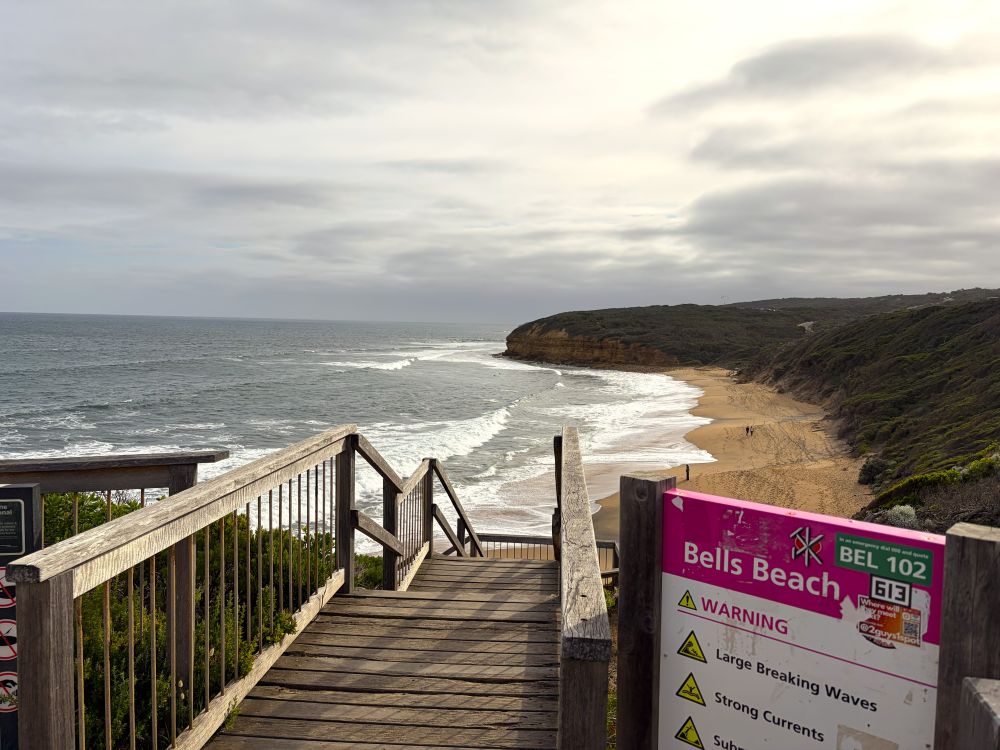
Bells Beach
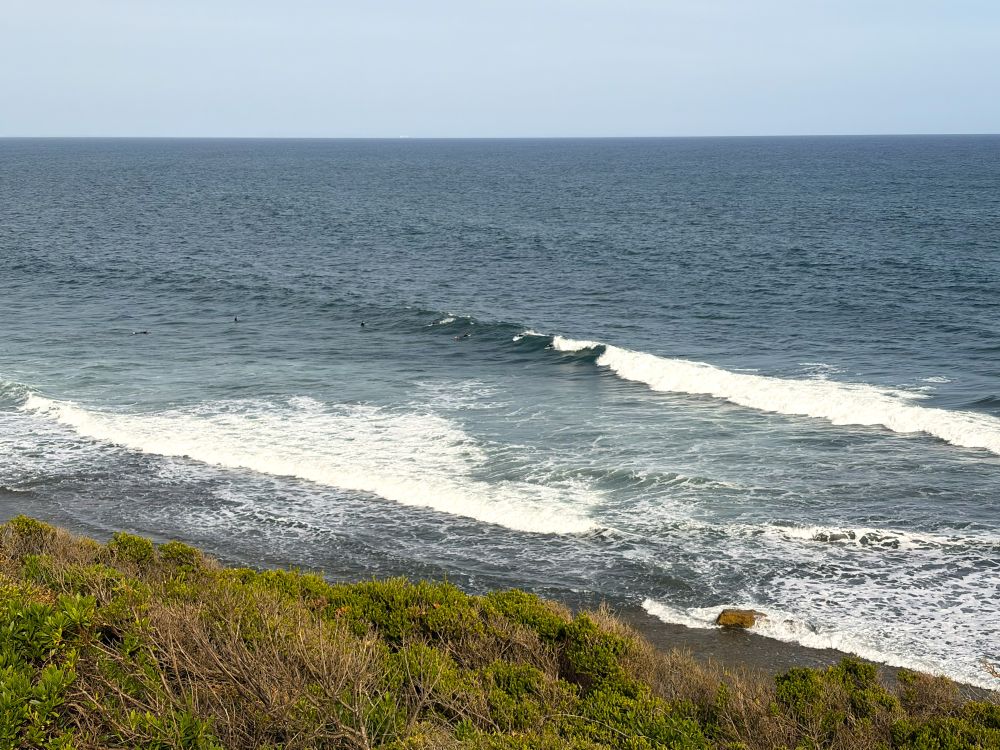
Bells Beach - Surfing
Here we stayed in one of the most unique airbnb's of our trip. The home was built by a bricklayer and craftsman and it looked like something from a fairy tale with stained glass windows, carefully laid tile mosaics on the floor and gorgeous old surfboards strung from the ceiling.
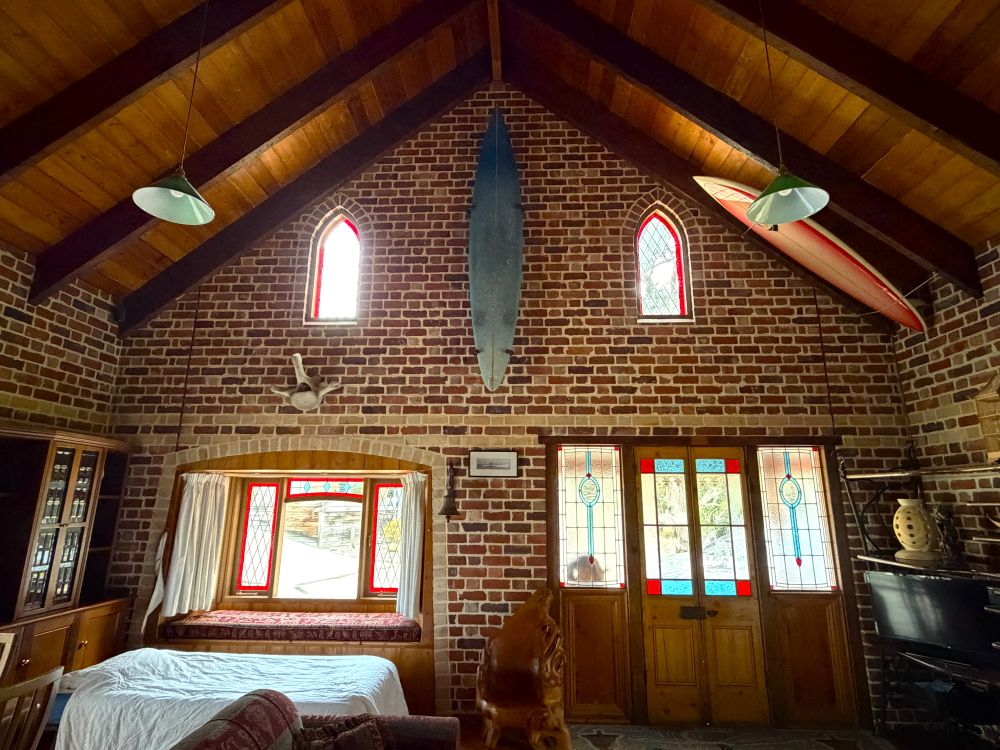
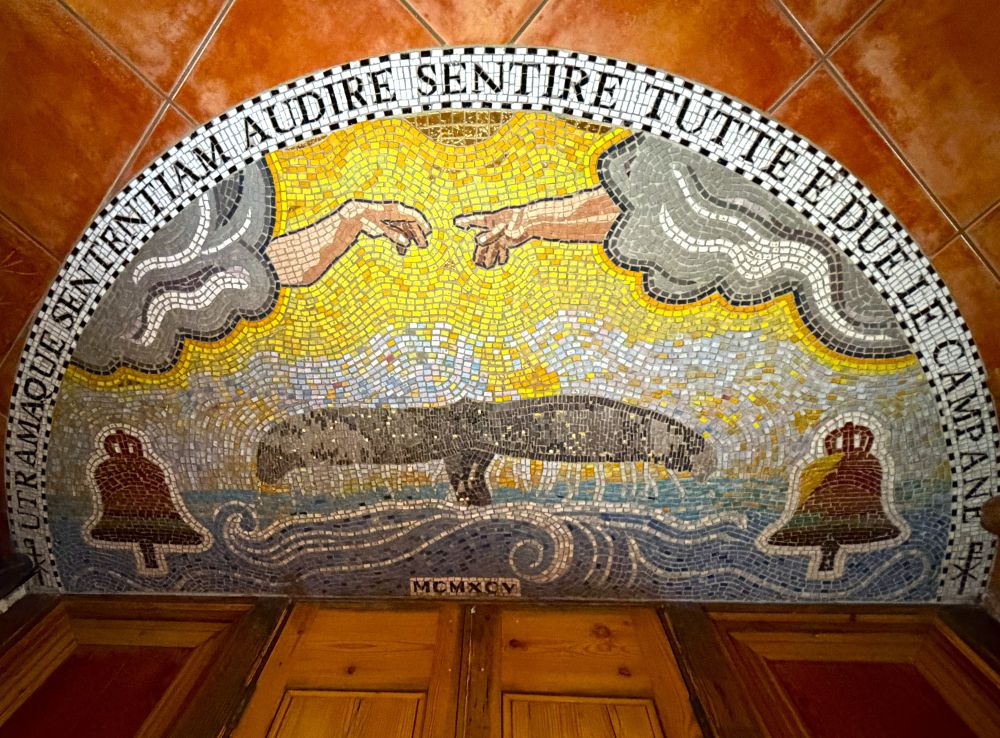
Inscription on the threshold "To hear both opinions/ To hear both the bells". Meaning to hear both sides before forming an opinion.
The Great Ocean Road - Memorial Arch
The arch stands as a memorial to Australians who served in the First World War from 1914 to 1918. The Great Ocean Road was a citizen initiative that provided employment for approximately 3,000 returned servicemen who built the winding road along the rocky coastline with pick and shovel from Torquay to Warrnambool (today it stretches a bit further to Nelson).
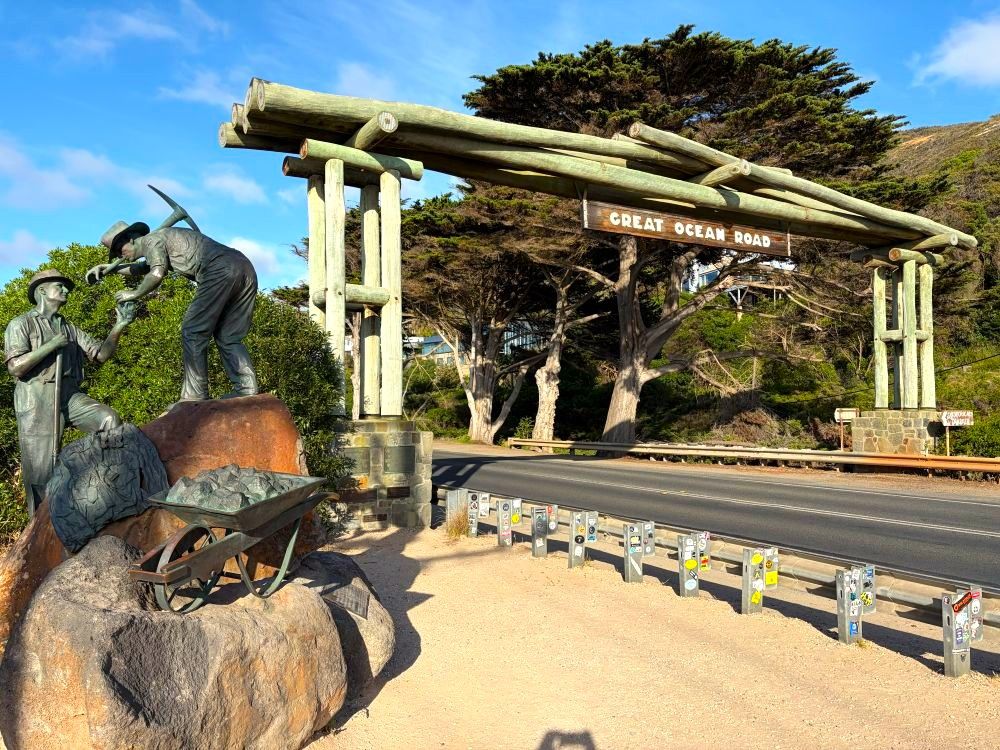
Great Ocean Road - Memorial Arch
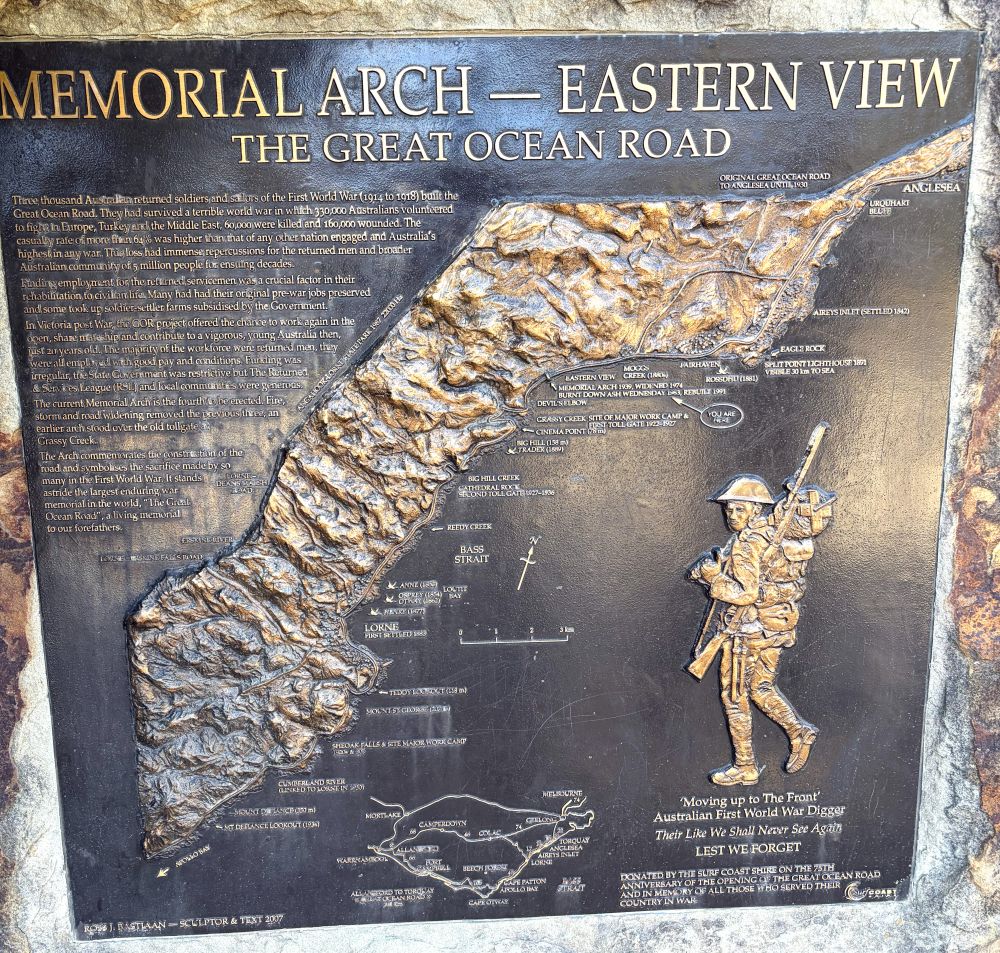
Plaque memorializing the fallen servicemen as well as the returned and those who built the road
Beyond the arch there is a turnoff on the right that winds up a steep hill to Teddy's Lookout and one of the first beautiful vistas of the road and coastline on one side and turquoise ocean on the other.
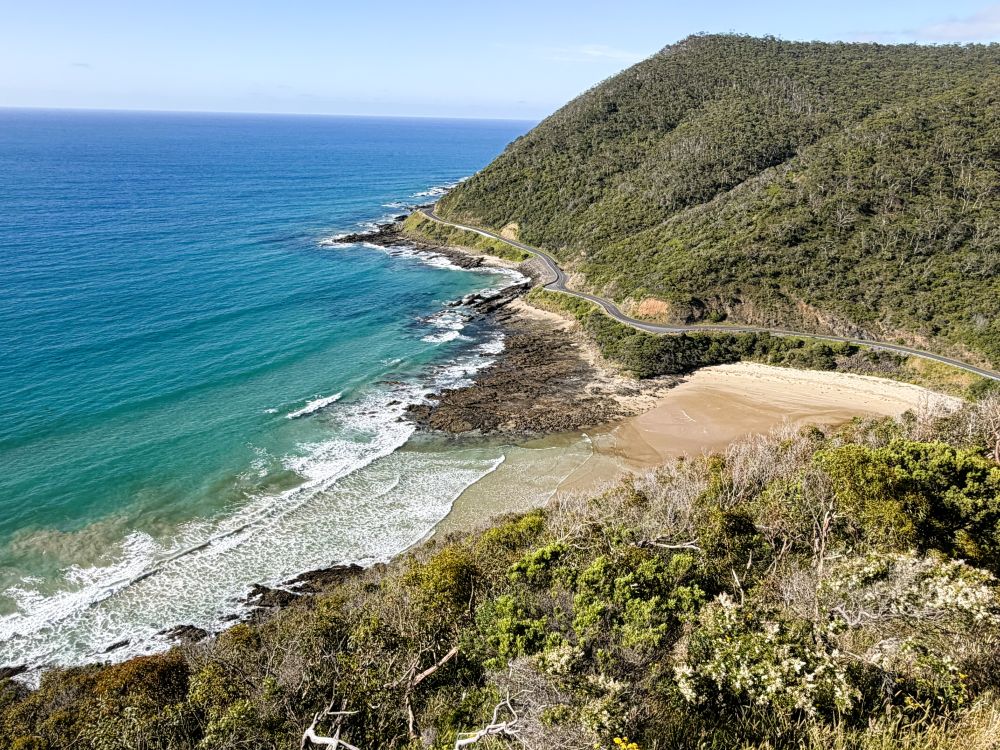
View from Teddy's Lookout
Maits Rest
This cool temperate rainforest is one of the few pockets of unlogged forest in the Otway Ranges and marks the spot where the area's first state forest inspector, Maitland Bryant, would stop to rest his horse on his patrol along the coast.
110 million years ago, dinosaurs known as Australovenators or southern hunters lived in the area and their fossilized talons have been found in the volcanic rock nearby. As we walked along the trail we felt like we were taking a step back in time as the flora felt quite reminiscent of the dinosaur age as well. Giant Mountain Ash, the tallest flowering plant in the world, grows in this area as well as myrtle beech, blackwoods, tree ferns, mosses, and lichens.
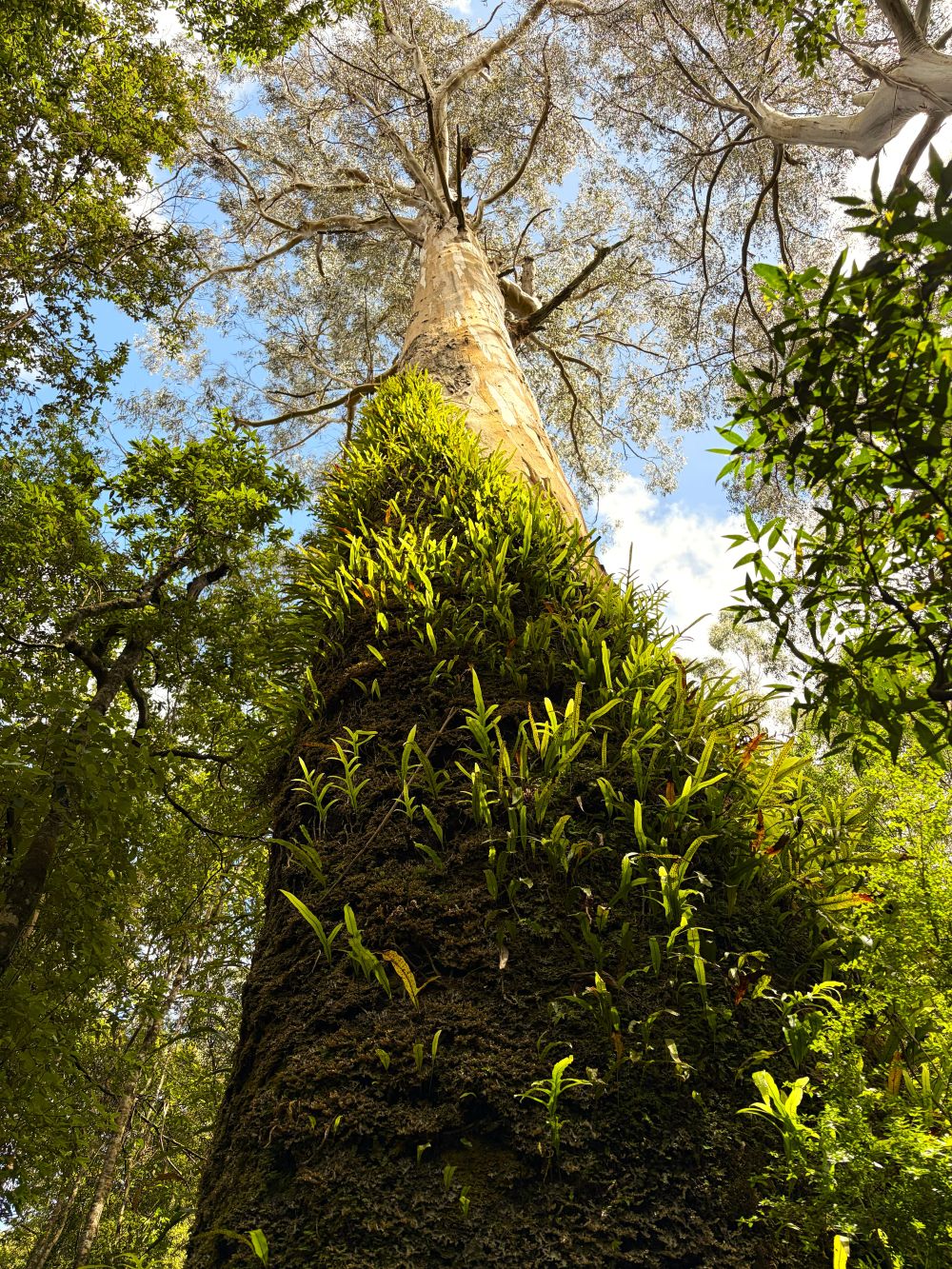
Moutain Ash (aka giant ash, swamp gum, or stringy gum)
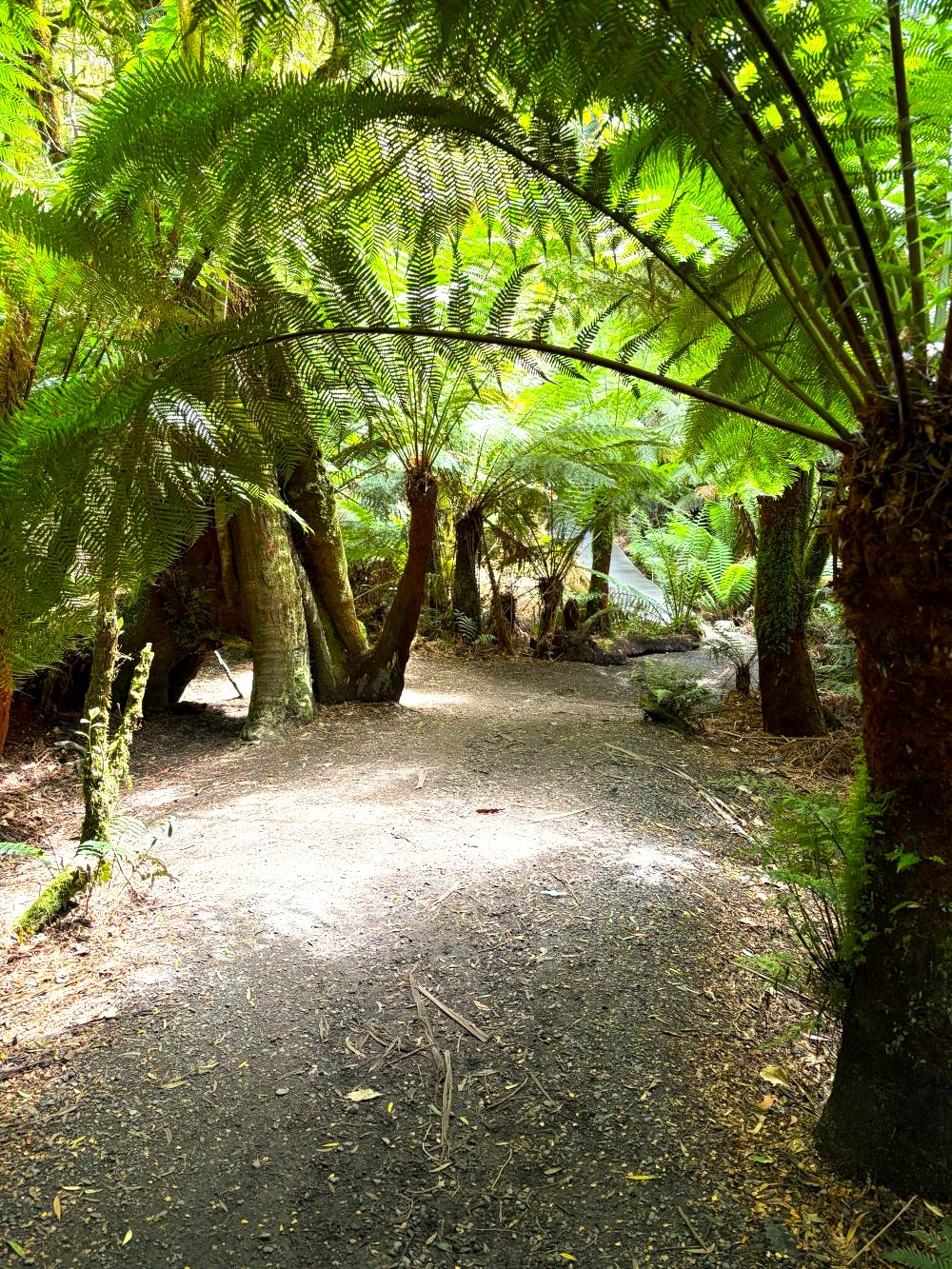
Tree Ferns
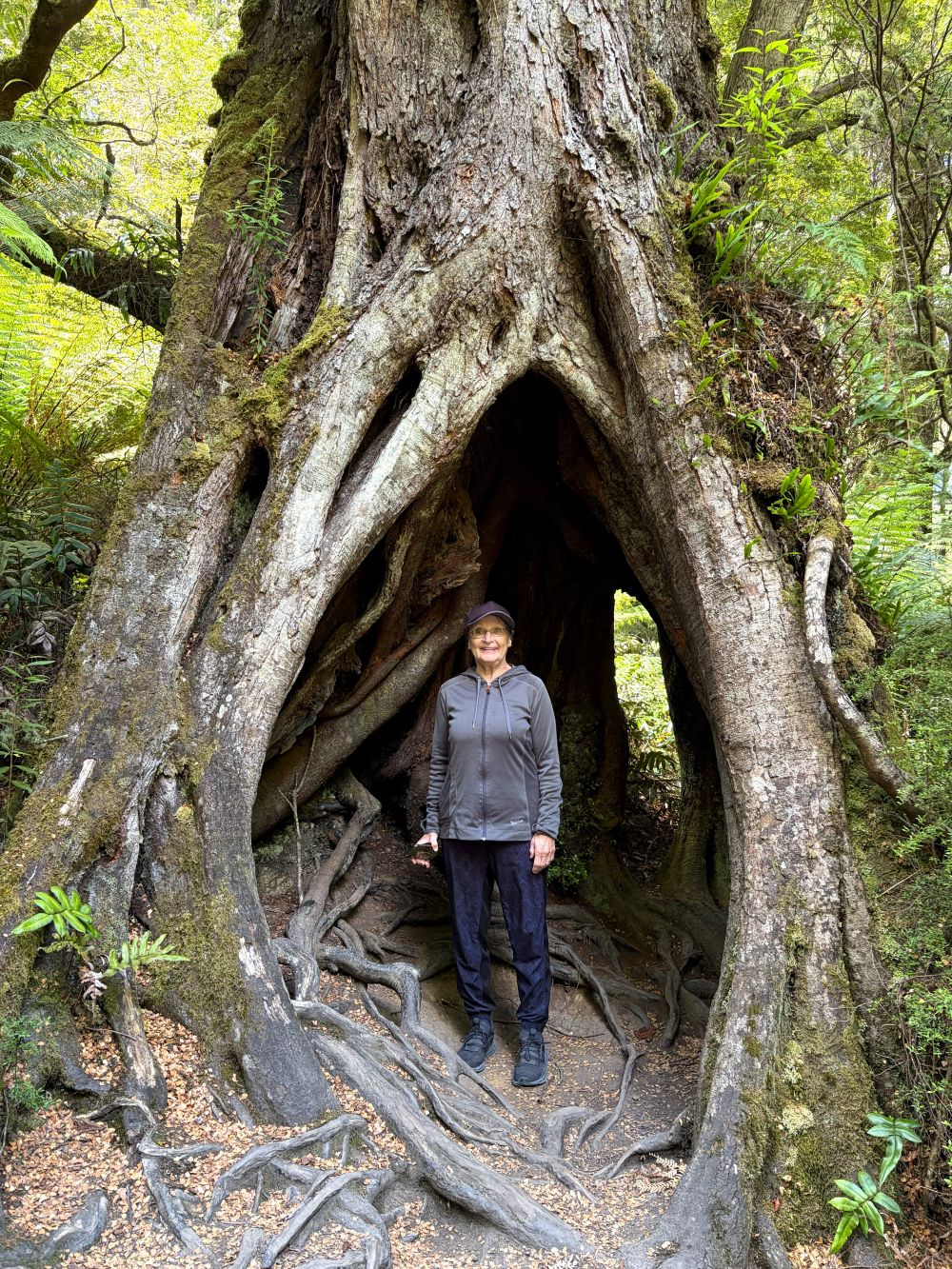
Giant hollowed out base of an old Myrtle Beech Tree
Extraordinary Koala Sightings
After our hike at Maits Rest, we continued along the Great Ocean Drive near the Cape Otway Lightstation. Here the smooth-barked eucalyptus trees grow tall and dense along the road and we had heard this particular area is known to have koalas in the area so we kept our eyes peeled, driving slowly and scanning branches for any sign of fluffy gray fur.
Fortunately for us, others had keener eyes and when we saw some cars pulled off the road we pulled over as well. About 5-10 meters to the right of the road, about mid-way up a manna gum (Eucalyptus viminalis) we saw a mother nestled in the crook of the branches and clutching her baby who seemed quite happy and content.
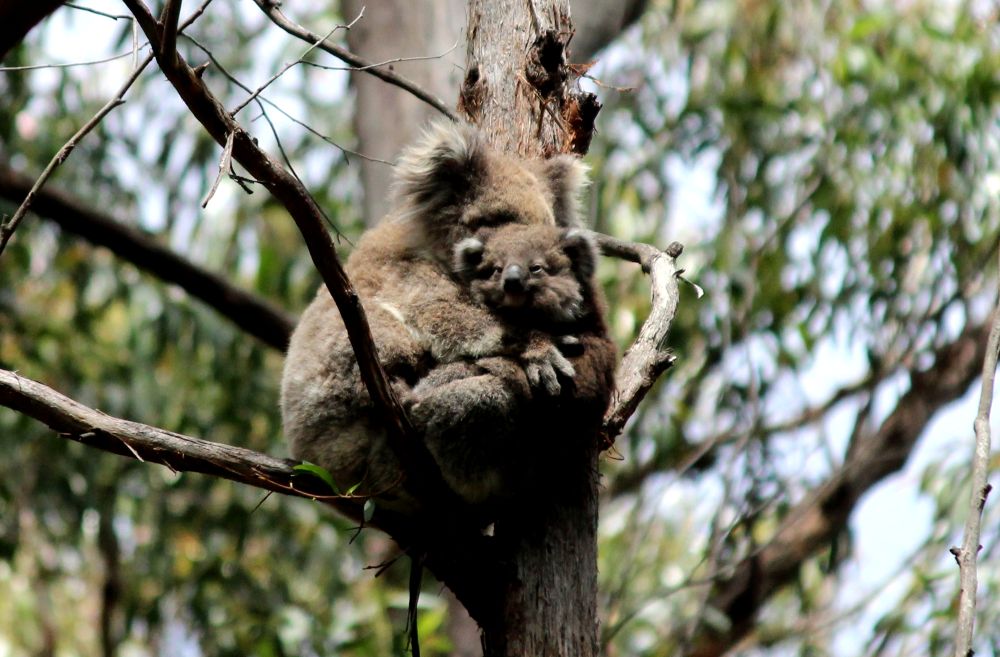
Mother and baby koala near cape otway lighthouse
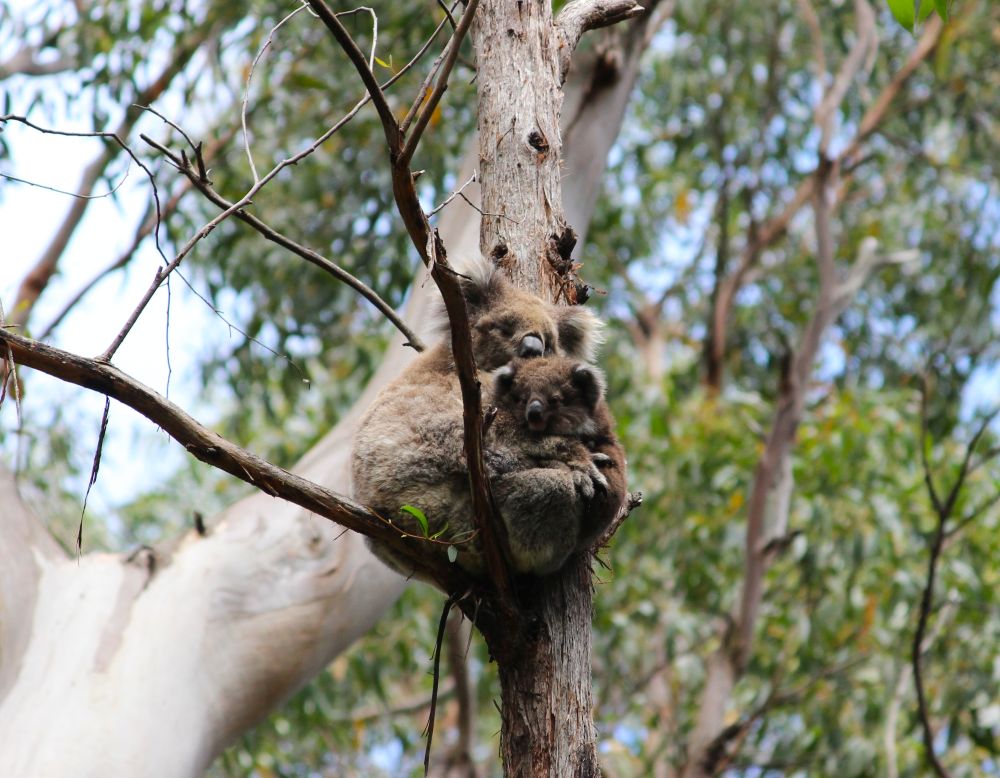
Koalas
We felt so blessed to have seen the koala mother and her baby but not 10 minutes later we again pulled off the road and only about a meter away was another mother, with a bit older baby hiding in the foliage and peering through the leaves at us.
Incredibly, we went on to see two more adult koalas after that. I couldn't believe it and mentioned to my mom that it was quite unusual and I have never seen so many koalas in the wild in one day.
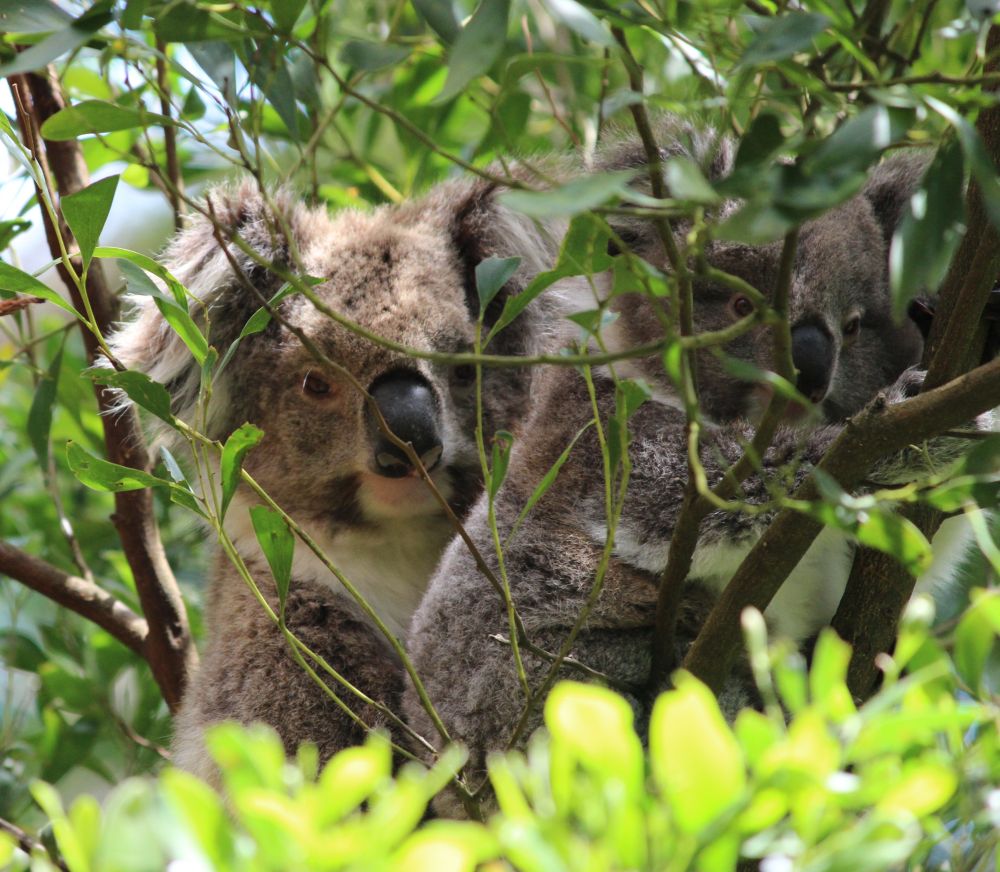
Mother and baby koala along the Great Ocean Road - Past Cape Otway Lighthouse
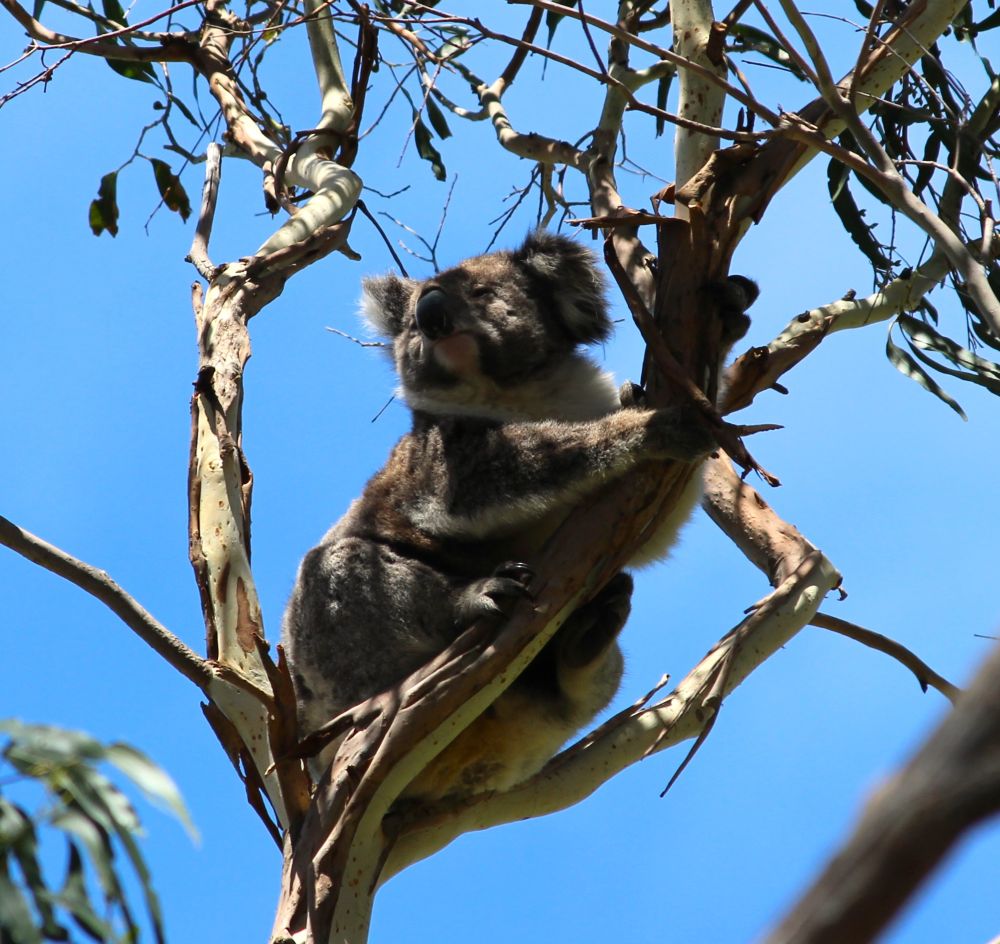
Adult koala on it's own
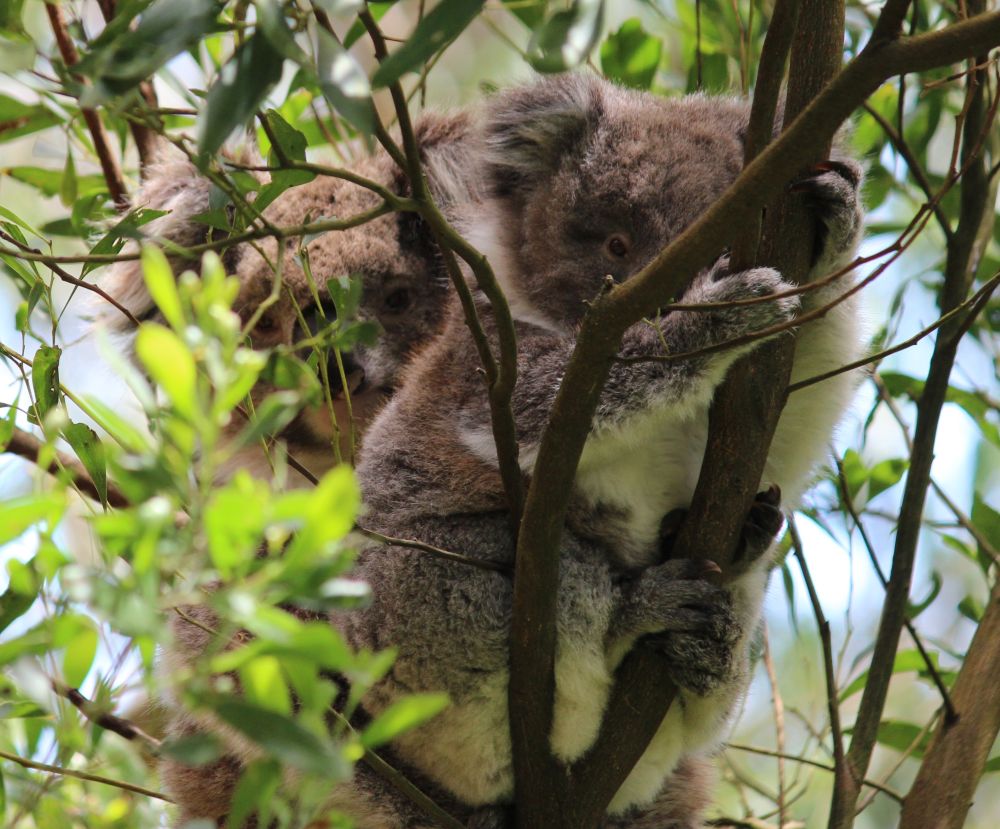
Look at those tiny little hands holding onto the branches
Twelve Apostles & Razorback
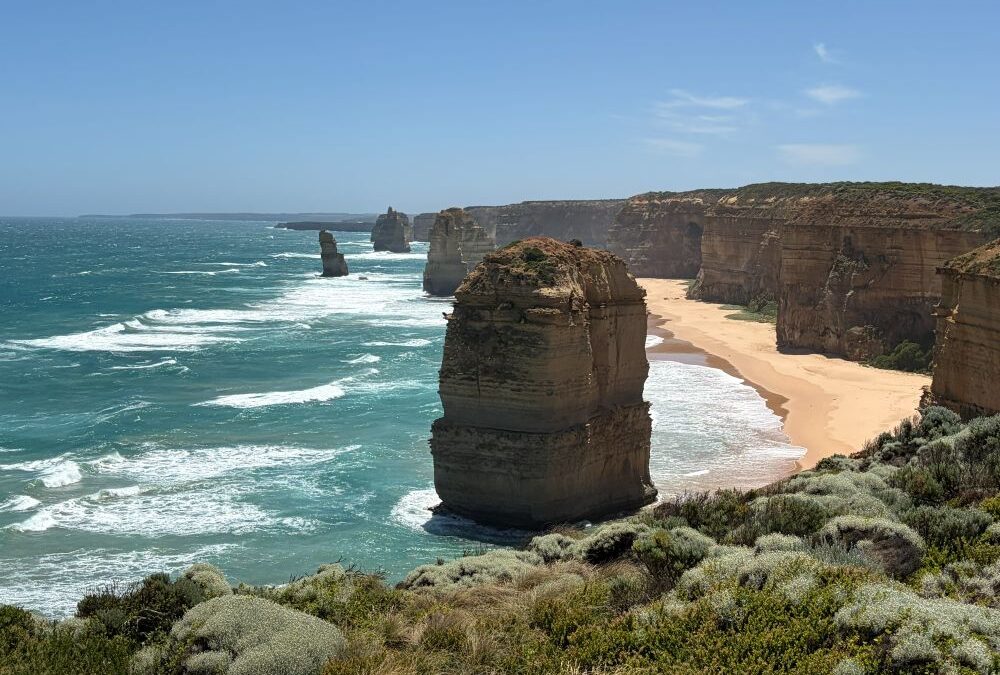
The primary landmark and most famous viewpoint of the Great Ocean Road is most certainly the 12 Apostles & Razorback which are remarkable limestone rock formations rising out of the Southern Ocean. Interestingly, there were only ever 9 rock stacks (not twelve) but two have fallen away in the storms and wind so only seven remain.
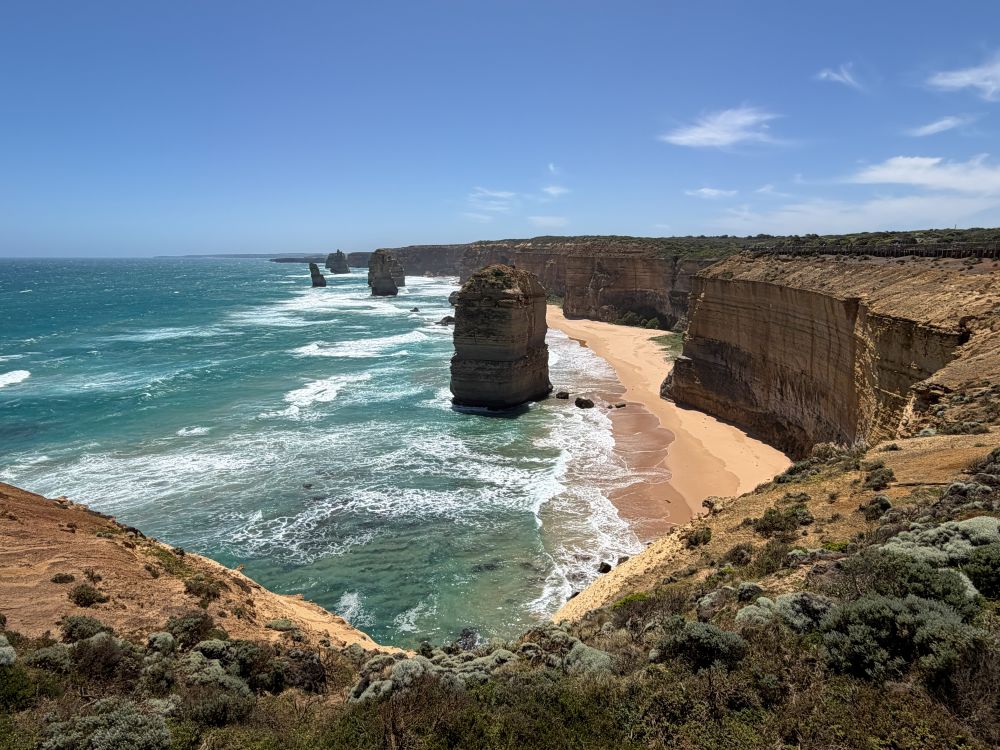
Twelve Apostles (Actually Seven)
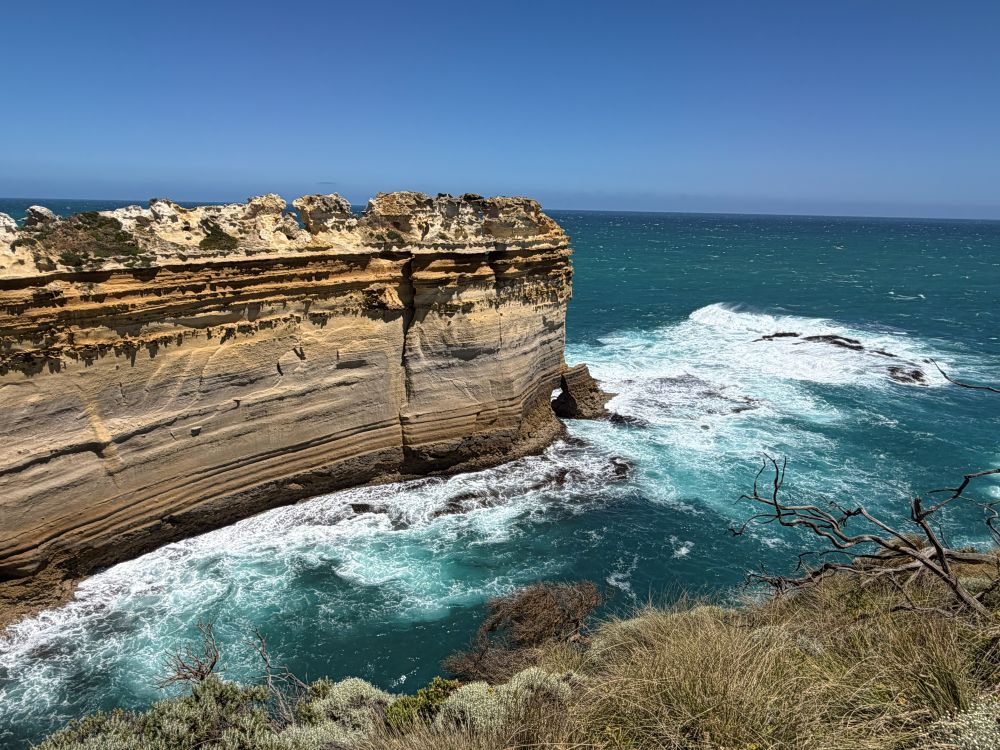
Razorback
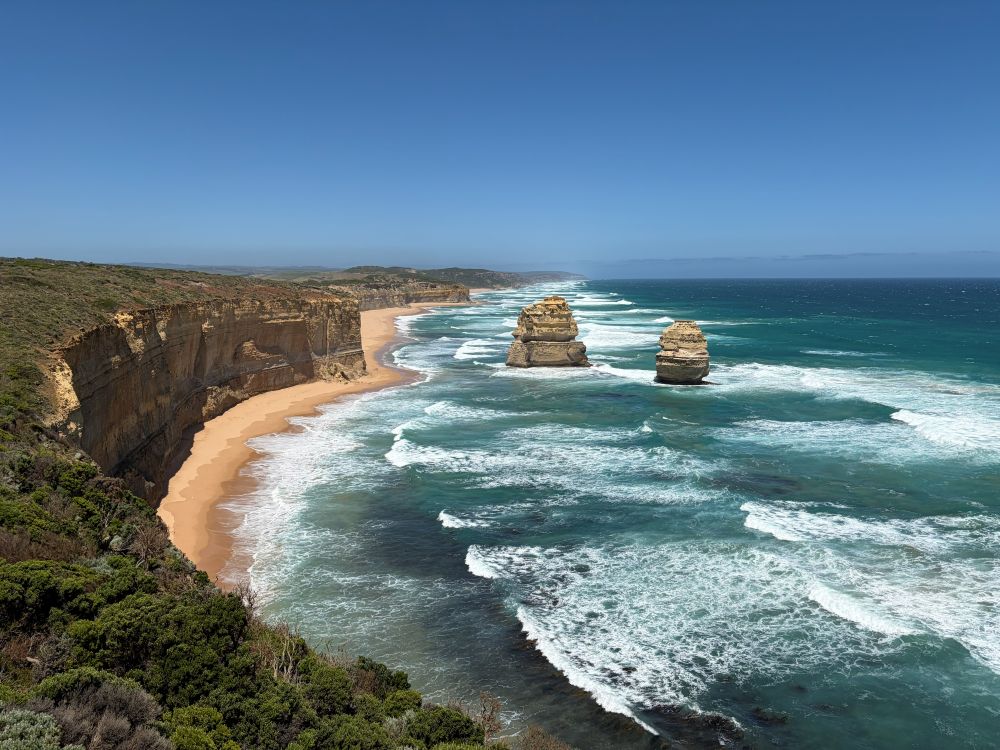
View from the lookout
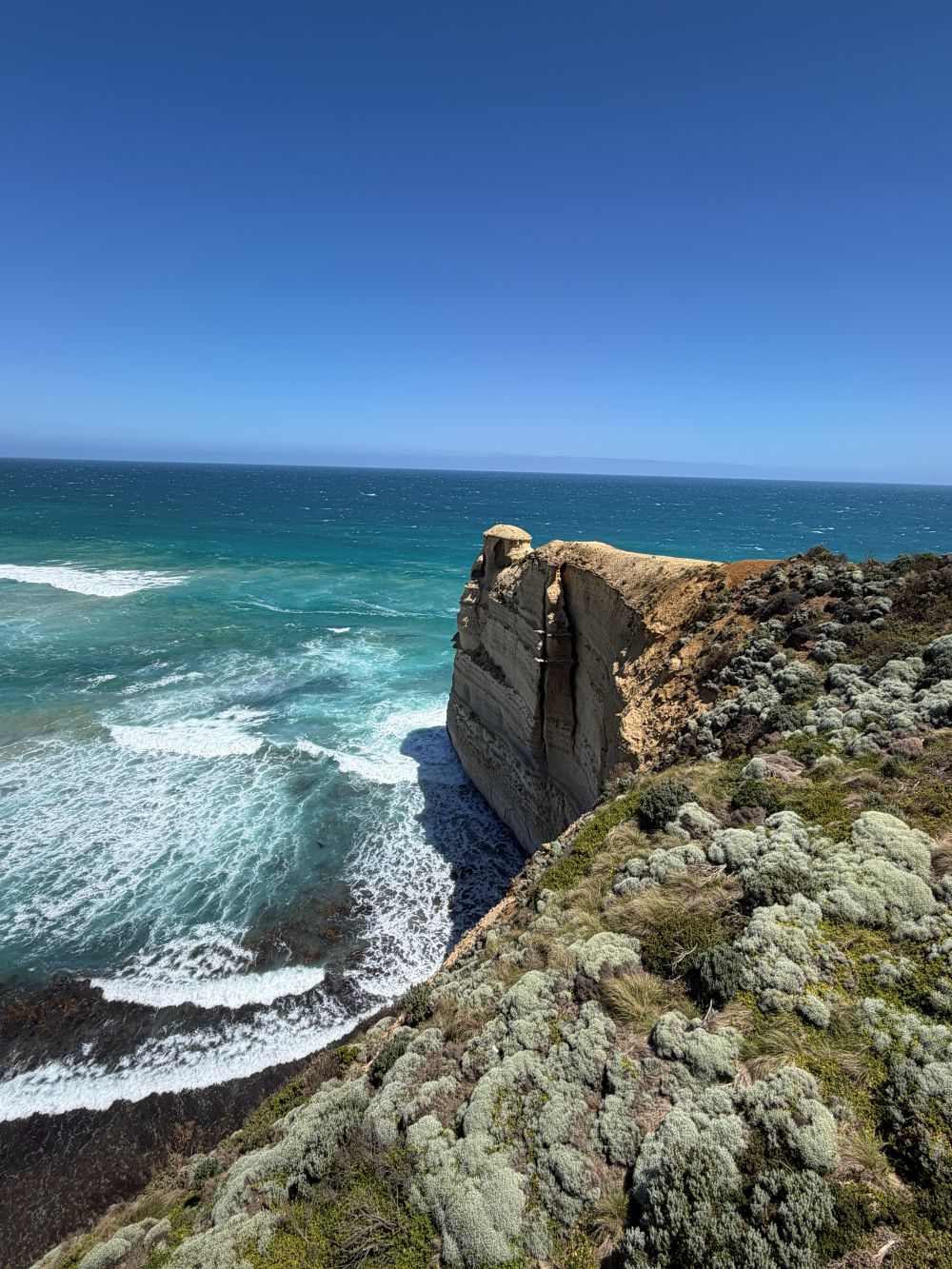
Incredible clifftop views of the coastline and the Southern Ocean
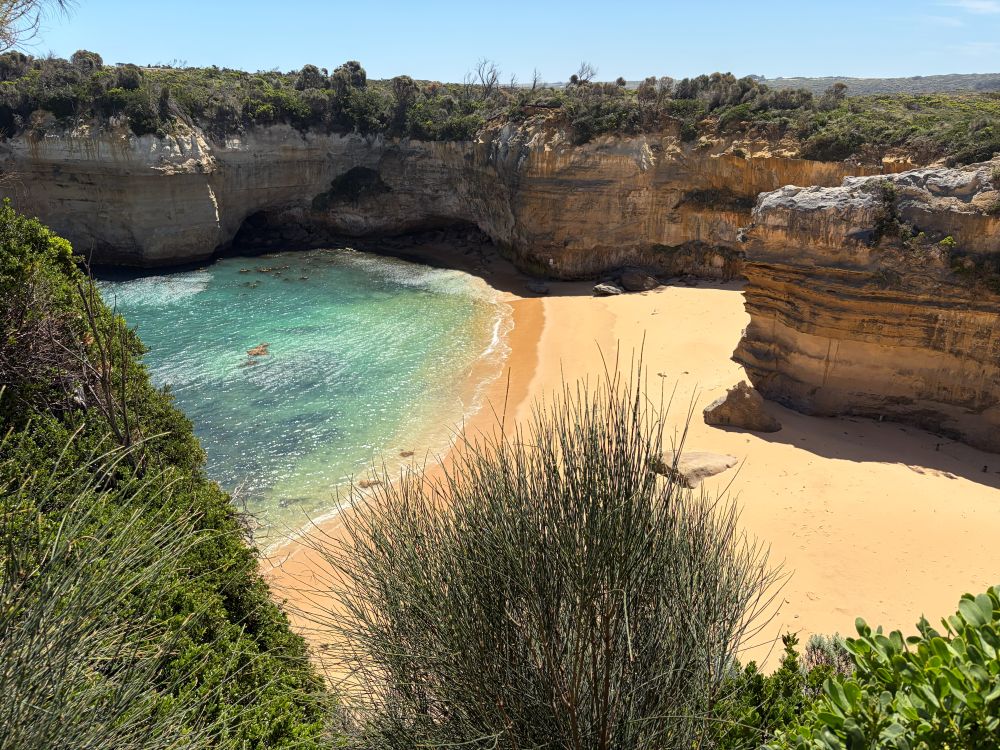
Narrow gorge and beach where Tom Pearce and Eva Carmichael washed ashore from the Lock Ard shipwreck
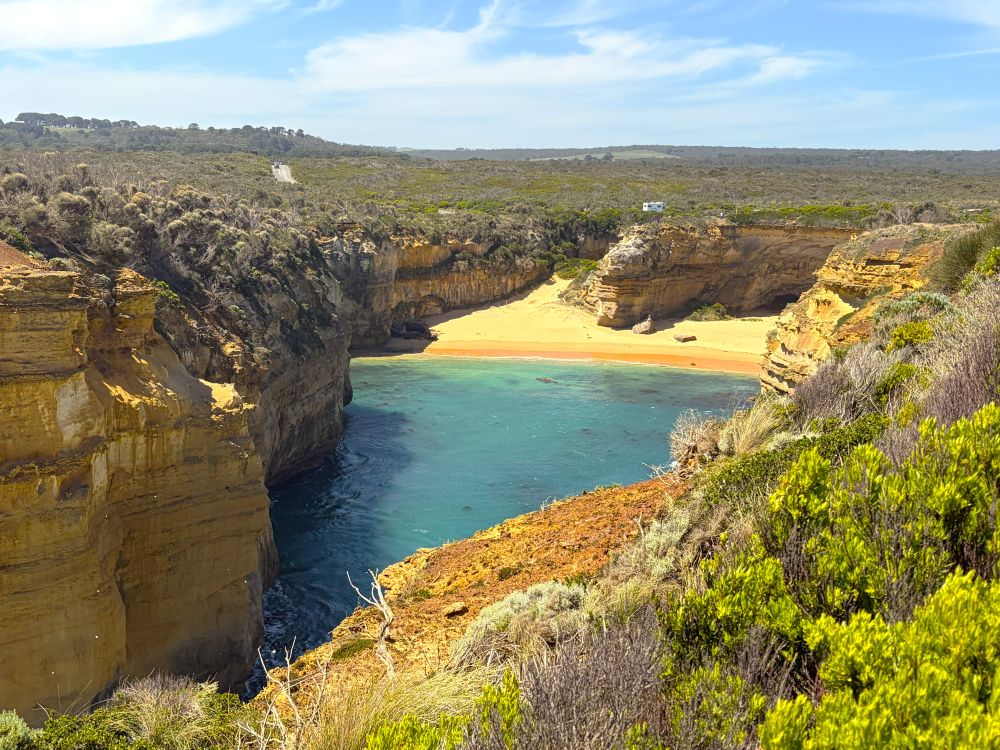
Another view of the gorge and narrow inlet from the sea
As you can see from the photos, even on a clear, sunny day, the coastline here is formidable with sheer, chossy cliffs dropping down to the ocean and only narrow beaches that would easily be swallowed under the waves during a storm. Imagine this coastline during dark of night in the middle of a massive storm, with waves lashing the coastline. This is exactly the situation that occurred in 1878 when the Loch Ard, an iron-hulled clipper ship, was smashed against the rocks on Mutton Bird Island about 1 kilometer off the coast. The ship broke apart and 52 of the 54 passengers perished in the dark waves. The ship's apprentice, Tom Pearce found himself clutching to an overturned lifeboat where he held on for dear life amidst the frothy waves for hours in the black of night. When dawn came, the tide turned and he was swept into the gorge above, dragging his battered body onto the beach.
He had barely time to catch his breath when he heard cries for help and saw 18 year old Eva Carmichael bobbing amongst the waves and gripping tightly to a wooden beam from the ship's rigging. Tom swam out to rescue her and, after battling for an hour with the waves, eventually brought her ashore where they sheltered in a cave until Tom was able to gather the strength to climb out of the gorge and seek help from a nearby homestead.
Final Thoughts
The Great Ocean Road was definitely one of the most picturesque coastline drives I have witnessed and I would highly recommend it to anyone living in or visiting Australia. The twelve apostles were stunning but the entire drive was a wonderful experience, from the ancient cool temperate rainforest of Mait's Rest, to the incredible koala sightings, and the tragic but also hopeful story of the Loch Ard and it's two survivors.
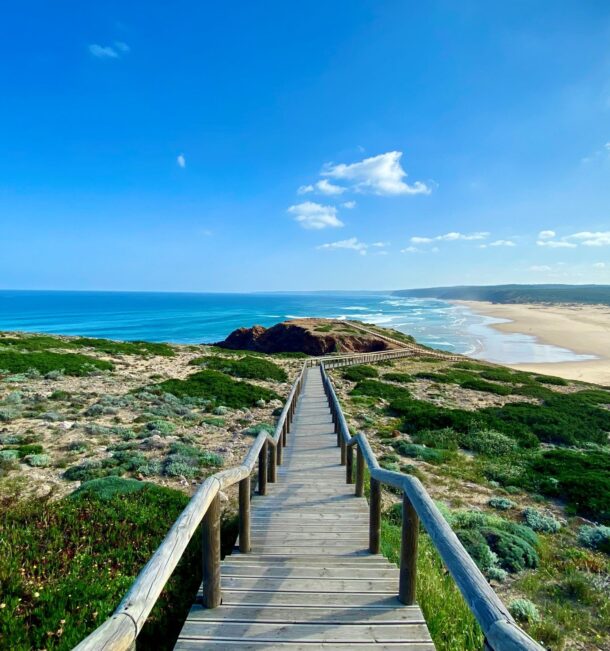
Loved it.